Claude and Claude Code
Working with Claude and Claude Code on real file-backed tasks. These pages cover connecting Claude to the systems that hold your work, giving it durable context between sessions, running it against a repository or a document set, and getting its output somewhere a colleague can review. Fast.io connects to Claude Code and Claude Desktop through its MCP server at https://mcp.fast.io/mcp, which is what most of these guides use when an agent needs to read from or write to a shared workspace.
The pages assume you know Claude as a chat product and pick up where that stops being enough, which is usually the first task that spans more than one session or more than one person. They cover project and repository context, tool access, cost and token behaviour, and the review step that turns a good draft into something a team can actually act on without rereading everything from the start.
159 guides in this topic.
Start here

How to Set Up Cross-Platform Sync for Claude Cowork
Syncing Claude Cowork across platforms keeps your files updated everywhere. Instead of dealing with isolated desktop sessions, you can centralize your workspace in the cloud using the Model Context Protocol (MCP). This guide shows how to connect local files to Claude agents on Windows and macOS, so you always work from the same updated files.

7 Essential Claude MCP Plugins to Expand Your AI's Capabilities
Claude MCP plugins (or servers) act as extensions that allow your AI to interface with real-world data and tools. By connecting Claude to databases, file systems, and APIs, you can transform a chatbot into a powerful autonomous agent. This guide covers the top plugins you need to install today.

How to Create a Claude Cowork Shared Workspace for Teams
A Claude Cowork Shared Workspace lets teams and AI agents manage files together in one place. The standard Claude app offers desktop automation but lacks syncing and multiplayer features. This guide explains how to fix those limits using cloud storage, covering the exact file access patterns needed for team agent deployment.
How to Connect Claude to Google Drive: A Complete Guide
Getting your Google Drive files into Claude's context is more annoying than it should be. This guide covers the main approaches, from manual uploads and the official Google Drive connector through to an MCP bridge, so you can choose based on what you actually need Claude to do.

Claude for Students: Free Access, Study Tips, and Student Pricing in 2026
Around 6,600 people search for "claude student discount" every month, and the answer is straightforward: Anthropic does not offer one. But Claude's free tier now includes Sonnet 4.6, web search, file uploads, Projects, and memory across conversations, which covers most undergraduate and graduate workflows without spending anything.

How to Build a Claude Cowork Multi-Agent Orchestration Loop
Multi-agent orchestration in Claude Cowork involves coordinating several Claude agents to work concurrently on shared files and tasks without conflicts. By dividing complex workflows among specialized agents, teams can solve large software engineering and data processing challenges that a single agent cannot handle alone. This guide covers how to set up multi-agent loops, select the right architectural patterns, and implement the file coordination needed to build stable, autonomous systems.
All guides
7 Essential Claude MCP Plugins to Expand Your AI's Capabilities
Claude MCP plugins (or servers) act as extensions that allow your AI to interface with real-world data and tools. By connecting Claude to databases, file systems, and APIs, you can transform a chatbot into a powerful autonomous agent. This guide covers the top plugins you need to install today.

Aider vs Claude Code: Comparing Terminal-Based AI Coding Agents
Aider and Claude Code are CLI-native coding agents that edit local codebases directly from the terminal, bypassing the need for heavy IDE integrations. This comparison evaluates their git-first versus sandbox-first architectures, terminal command execution, and provider strategies. Learn how to connect terminal agents to persistent workspaces.

Anthropic API Pricing in 2026: Costs Per Model and How to Optimize
Anthropic charges per-token with no monthly minimum across three active model tiers: Opus at $5/$25 per million tokens, Sonnet at $3/$15, and Haiku at $1/$5. Prompt caching cuts cached input reads to 10% of the standard rate, and the batch API halves all token costs, allowing combined savings of up to 95% on input tokens. The gap between list price and optimized pricing explains why two teams running identical workloads can see ten-fold differences in their monthly bills.

Anthropic Claude API: Models, Capabilities, and Getting Started
Anthropic's Claude API now spans nine endpoints, four model families, and two development tracks. This guide covers the current model lineup from Fable 5 through Haiku 4.5, walks through capabilities like extended thinking and managed agent sessions, and includes the code to make your first API call.

Awesome Claude Code: Best Skills, Tools, and Community Resources
The awesome-claude-code ecosystem on GitHub has grown past 200,000 combined stars across 11 curated lists, but most developers never get past bookmarking the top result. This guide breaks down what each list actually covers, which categories of tools matter most, and how to pick the right skills, hooks, and MCP servers for your workflow instead of installing everything at once.

Awesome Claude Skills: Best Agent Skills and Extensions for 2026
Over 24,000 GitHub repositories now contain Claude Code skill definitions, making the ecosystem nearly impossible to navigate without a curated guide. This roundup evaluates the strongest skills across development, design, security, research, and automation, with install commands and links to the four main community directories.

Best Claude Code Alternatives in 2026, Compared
Eight tools compete with Claude Code for AI-assisted coding in 2026. Cursor dominates IDE-based editing, Aider leads open-source terminal agents, and GitHub Copilot turns issues into pull requests autonomously. This guide compares all eight on pricing, model flexibility, and real workflow fit so you can pick the right tool for how you actually write code.

Best Claude Code Courses and Training Programs for 2026
Claude Code authored 326,000 GitHub commits in a single day in March 2026, and the training ecosystem has caught up. This guide evaluates seven courses, from Anthropic's free official program to live cohorts for senior engineers, covering both Claude Code terminal workflows and Claude Cowork collaboration features. Each review includes price, format, skill level, and what you actually build.

Best Claude Cowork Alternatives in 2026
Claude Cowork handles autonomous desktop tasks well for individual paid subscribers, but its single-user design, laptop-dependent execution, and lack of team sharing push many teams toward alternatives. This guide ranks eight options from Microsoft's enterprise Copilot Cowork to free open-source tools like OpenWork and Rowboat, with honest trade-offs on pricing, architecture, and file handling.

Best Claude Model for Coding: Opus vs Sonnet vs Haiku Compared
Opus 4.8 scores 88.6% on SWE-bench Verified, but Sonnet 4.6 reaches 79.6% at 40% lower cost per token. The 9-point gap closes on routine coding tasks like test generation and API scaffolding, where Sonnet's speed advantage compounds into higher real-world productivity. Match your model to your task and the cost difference rarely shows up in code quality.

Best Claude Prompts: Templates, Examples, and Built-In Tools
Anthropic's prompt improver boosted classification accuracy by 30% in testing, yet most Claude users still write prompts from scratch without structured techniques. This guide covers Anthropic's built-in Console tools for generating and improving prompts, seven categories of copy-ready templates, and the Claude-specific techniques that separate generic instructions from production-quality prompts.

ChatGPT vs Claude: Strengths, Weaknesses, and Which to Choose
Claude Opus 4.6 leads coding benchmarks while GPT-5.4 scores higher on broad knowledge tasks. Neither platform wins every category. This comparison breaks down real benchmark data, API pricing at every tier, and writing quality to help you pick the right AI model for your work.

Claude 4: Models, Capabilities, and How to Choose
Claude 4 is Anthropic's current-generation model family, spanning three capability tiers with a 25x pricing gap between the cheapest and most expensive option. This guide compares Opus 4.8, Sonnet 4.6, and Haiku 4.5 by context window, thinking mode, latency, and cost, then maps each tier to the workloads where it fits best.

Claude Agent SDK vs OpenAI Agents SDK: A Developer's Comparison
Claude Agent SDK and OpenAI Agents SDK take opposite approaches to building AI agents. This comparison breaks down their architectures, tool calling patterns, multi-agent support, and production features so you can pick the right one for your project.

Claude Agents: Features, Managed Agents API, and How to Build with Them
Anthropic now offers three distinct surfaces for running Claude as an autonomous agent, each built for different use cases. Managed Agents launched in beta in April 2026 with cloud sandboxes and self-hosted options. Claude Code runs agents in your terminal. The Messages API gives you full control over the agent loop. This guide covers what each surface does, how they compare, and how to start building with them.

Claude AI Courses: Best Training Programs and Certifications for 2026
Anthropic launched 20 free courses on Skilljar, a $99 proctored certification exam, and a $150 million nonprofit fellowship in the first half of 2026. This guide covers every official Anthropic Academy course, the CCA-F certification, and the Claude Corps fellowship, with recommended learning sequences for developers, business users, and educators.

Claude App: How to Download and Use Claude on Every Platform
Anthropic ships Claude across six platforms, but each one gives you different capabilities. This guide covers how to download and install the Claude app on iOS, Android, Mac, Windows, web, and Chrome, plus a breakdown of which features work where and how Claude Cowork turns the desktop app into an autonomous work tool.

Claude Artifacts: How to Create Interactive Apps, Documents, and Code
Anthropic ships Artifacts on every Claude plan, including the free tier, yet most users treat the feature as a code preview pane rather than a prototyping environment. This guide walks through every artifact type, from single-file React apps to Mermaid diagrams, with creation workflows, publishing steps, and honest coverage of where the sandbox stops and real development starts.

Claude Best Practices: Context Setup, Prompting, and Workflow Tips
Anthropic reports that building a layered context system with identity and voice files improves Claude output quality more than switching between models. Yet most users still rely on blank-slate prompting. This guide consolidates the official Anthropic best practices for Cowork and Code with practical patterns for CLAUDE.md sizing, skill chunking, permission mode selection, and outcome-oriented prompting that produce consistently better results.

Claude Code Agents: Subagents, Background Agents, and Agent Teams
Claude Code ships three delegation layers that solve the biggest bottleneck in AI-assisted coding: context window management. Subagents isolate side tasks in separate context windows, background agents run work concurrently, and agent teams coordinate across independent sessions. This guide covers the full hierarchy with configuration examples and decision frameworks for choosing the right agent type.

Claude Code Cheat Sheet: Commands, Shortcuts, and Quick Reference
Claude Code ships with 30+ slash commands and 10+ keyboard shortcuts, yet most developers stick to the same five or six. This reference organizes every command by workflow, explains the three permission modes that control agent autonomy, and covers advanced features like hooks, effort levels, and MCP connections that most cheatsheets skip.

Claude Code Commands: Complete CLI and Slash Command Reference
Claude Code ships over 70 slash commands, 50+ CLI flags, and a fully customizable keybinding system. Most developers use fewer than ten. This reference organizes every command by workflow stage, from first-time project setup through shipping a pull request, so you can find the right command without scrolling through alphabetical docs.

Claude Code GitHub Integration: Actions, Enterprise, and Repository Setup
Claude Code connects to GitHub through three integration surfaces that most guides treat in isolation: Actions for CI/CD automation, Enterprise Server for on-premise deployments, and OAuth-based auth for cloud and Claude Cowork coding sessions. This guide covers setup, configuration, and authentication for each integration point, with workflow examples you can copy into your repository today.

Claude Code IDE Extensions: VS Code and JetBrains Setup Guide
Claude Code's awareness among developers jumped from 31% to 57% between mid-2025 and January 2026, yet most setup guides cover only the terminal CLI or VS Code in isolation. This guide walks through installing and configuring Claude Code across both VS Code and JetBrains IDEs, compares feature parity with the CLI, and shows how to connect IDE-based agents to persistent workspaces where files survive between sessions.

Claude Code Models: How to Configure and Switch Models
Claude Code offers four model tiers with a 10x cost spread between the cheapest and most capable option. Your default model depends on your subscription type, and switching requires one command. This guide covers which model to pick for each coding task, three ways to switch mid-session, how aliases resolve differently across providers, and how effort levels give you finer cost control than model switching alone.

Claude Code Plugins: How to Build, Discover, and Install Plugins
Anthropic's official Claude Code marketplace hit 101 plugins by early 2026, with community registries indexing over 14,000 more. This guide walks through the plugin system from first principles: what plugins actually contain, how to build one from scratch, how to discover and install existing plugins, and how to distribute your own through marketplaces.

Claude Code Pricing: Plans, Costs, and Usage Limits Explained
Anthropic doubled Claude Code's five-hour usage caps in May 2026, but most pricing guides still lump chat and coding costs together. This guide separates the two: subscription tiers (Free through Enterprise), per-token API rates for each model family, the rolling-window mechanics that actually govern how much coding you get per day, and the hidden overhead that inflates real-world bills beyond sticker price.

Claude Code Prompts: CLAUDE.md, Custom Commands, and Prompt Engineering
Claude Code v2.1.193 assembles over 500 distinct prompt fragments at session start, but developers control their experience through three layers: CLAUDE.md project files for persistent context, custom slash commands for reusable workflows, and Agent SDK options for programmatic configuration. Each layer has specific scoping, caching, and composition rules that determine how instructions reach the model.

Claude Code Proxy Setup: Corporate Networks, API Gateways, and ANTHROPIC_BASE_URL
Corporate proxy servers, TLS inspection appliances, and API gateways all sit between Claude Code and the Anthropic API. Misconfigure any layer and you get cryptic SSL errors or silently dropped connections. This guide covers every proxy scenario: HTTPS_PROXY for network routing, custom CA certificates for TLS inspection, mutual TLS for client authentication, and ANTHROPIC_BASE_URL for API gateway integration.

Claude Code Remote Control: Access and Control Sessions from Any Device
The average developer using Claude Code spends 20 hours per week in sessions, but until recently every one of those hours required sitting at the same terminal. Remote Control changes that constraint by bridging a running local session to any browser or the Claude mobile app, so your filesystem, MCP servers, and project configuration stay local while the conversation travels with you.

Claude Code Review: How to Use /code-review and Ultrareview
Claude Code ships a built-in /code-review command that scans diffs for correctness bugs and improvement opportunities at five effort levels, from a quick local pass to a multi-agent cloud analysis. This guide covers command syntax, effort level selection, the --comment and --fix flags, ultrareview's deep multi-agent pipeline, and managed Code Review for GitHub pull requests so you can pick the right review depth for every change.

Claude Code Skills: How to Create, Install, and Use Custom Skills
Claude Code skills are SKILL.md instruction files that extend what Claude can do, automatically loaded when relevant to a task. With 345 community skills already available and the Agent Skills open standard gaining traction across nine coding tools, custom skills have become the primary way developers encode repeatable workflows into their AI coding environment.

Claude Code Subagents: How to Create and Use Specialized AI Agents
Most AI coding sessions degrade after an hour because file reads, search results, and test output flood the context window. Claude Code subagents fix this by running side tasks in isolated context, each with a custom system prompt, scoped tool access, and independent model selection. Creating, configuring, and deploying subagents takes a few minutes and the payoff in context quality is immediate.

Claude Code Teams: Multi-Agent Orchestration Guide
Claude Code agent teams split complex coding tasks across multiple independent AI sessions. Each teammate gets its own context window and communicates through a shared task list and direct messaging. This guide covers enabling the experimental flag, spawning teammates, choosing display modes, designing tasks for parallel execution, and integrating persistent storage for human handoff.

Claude Code Usage Limits: Rate Windows, Plan Caps, and Token Strategies
Claude Code routinely consumes 10 to 100 times more tokens per interaction than a standard Claude.ai chat message, which is why Pro plan users regularly exhaust their five-hour quota in under an hour of active coding. This guide breaks down the dual-layer rate limit system, compares caps across every plan tier from Free to Enterprise, and covers practical strategies for extending your effective coding time without upgrading.

Claude Code vs Cline: API Costs and Pricing Model Comparison
An analysis of the operational costs and billing models behind Claude Code and Cline. We break down the math of token consumption, prompt caching, and context management to show developers how to budget for agentic coding tools.

Claude Code vs Cline: MCP Integration Comparison
This guide provides a detailed Claude Code vs Cline MCP integration comparison for developers. We break down configuration file structures, transport layers (stdio, SSE, and Streamable HTTP), and practical setup steps for remote servers like Fast.io.

Claude Code vs Cline: The Ultimate Command and Shortcut Cheat Sheet
Claude Code and Cline take distinct paths to autonomous development. While Claude Code runs in the terminal with CLI commands, Cline integrates into VS Code with visual approval gates. This cheat sheet details keyboard shortcuts and configuration JSON rules.

Claude Code vs GitHub Copilot: Which AI Coding Tool Wins in 2026?
Claude Code scored 88.6% on SWE-bench Verified with Opus 4.8, while GitHub Copilot's agent mode last published 56% on the same benchmark. The gap narrows when you factor in Copilot's inline completions, multi-model flexibility, and native GitHub integration. This comparison covers where each tool wins, what the actual costs look like in 2026, and how the most productive teams combine both.

Claude Code vs OpenCode: Which Terminal AI Agent Fits Your Workflow
Claude Code handles roughly 4% of all public GitHub commits, while OpenCode has collected 179,000 stars as the leading open-source alternative. Both are terminal-based AI coding agents, but they take opposite architectural bets: Claude Code trades model flexibility for a polished, vertically integrated experience, and OpenCode trades that polish for freedom to run any model from any provider.

Claude Code vs. Windsurf (Now Devin Desktop): CLI Autonomy vs. IDE Workspaces
Choosing between a command-line agent and an integrated development environment shapes your daily coding loop. While Claude Code offers terminal-first autonomy that works alongside any text editor, Windsurf (renamed Devin Desktop in June 2026) builds agentic reasoning into a VS Code fork. This guide compares their architecture, execution models, and how teams can coordinate their inputs without file conflicts.

Claude Computer Use: How It Works and How to Set It Up
Claude computer use lets Claude see your screen, control the mouse, and type text to automate tasks across any desktop application. Opus 4.8 scores 84% on Online-Mind2Web for autonomous web navigation, leading all single-agent systems. This guide covers the screenshot-action loop, model selection, API setup with code examples, desktop app configuration, and safety practices for production deployments.

Claude Computer Use: Working with Files and Documents
Claude Computer Use lets Claude interact with files on your computer by seeing your screen, clicking through folders, and running file operations. Unlike traditional file APIs, Computer Use relies on visual understanding to navigate file managers, preview documents, and organize files like a human would.

Claude Context Window: Sizes, Limits, and How to Maximize It
Claude's context window determines how much text fits in a single conversation, and it varies more than most developers realize. Depending on the model, plan, and surface, you get anywhere from 200K to 1M tokens. Tokenizer differences mean the same 1M-token limit holds roughly 555,000 words on Opus 4.8 and 750,000 words on Sonnet 4.6, and features like compaction and automatic summarization extend conversations well past those native limits.

Claude Cowork Demo: What Each Task Type Looks Like Before You Subscribe
Opt-in SaaS trials convert at a median 14%, yet Claude Cowork has no free trial, requiring a $20/month Pro subscription before you can run your first task. This written walkthrough covers the five-step task loop and four core use cases so you can evaluate Cowork before subscribing.

Claude Cowork Features, from File Access to Scheduled Tasks
A Growth Unhinged survey found that 32% of GTM operators now use Cowork as their primary Claude product, matching both Chat and Code in adoption within months of launch. This guide maps every Cowork feature, from folder-scoped file access and sub-agent coordination to scheduled tasks and MCP connectors, so you can evaluate which capabilities actually apply to your workflows.

Claude Cowork on Linux: Workarounds, Alternatives, and Setup
Nearly 28% of professional developers use Linux as their primary OS, but Claude Cowork officially ships only for macOS and Windows. This guide walks through four practical approaches to get Cowork working on Linux: a reverse-engineered native build, repackaged .deb and .rpm installers, SSH tunneling from a supported machine, and Claude Code as a terminal-native alternative that runs on Linux without any workarounds.

Claude Cowork Pricing: What Each Plan Actually Unlocks
Anthropic bundles Claude Cowork into every paid Claude subscription rather than selling it separately, which means the real pricing question is not whether you can access Cowork but how much agentic work each tier actually supports. Pro at $20/month, Max at $100 or $200/month, Team at $25/seat, and Enterprise at custom pricing all grant the same Cowork features, but agentic tasks burn through usage allowances five to twenty times faster than regular chat.

Claude Cowork Review 2026: Honest Assessment After Real Use
A Growth Unhinged survey found that 32% of GTM operators now use Cowork as their primary Claude product, matching Chat and Code in adoption within months of its early 2026 launch. That speed signals real utility, but early reviews focus on first impressions rather than sustained use. The harder questions are about reliability over weeks, what daily use actually costs, and the security tradeoffs Anthropic acknowledged before shipping.

Claude Cowork vs Claude Code: Which One Should You Use?
Claude Code now accounts for roughly 4% of all public GitHub commits, and Claude Cowork went generally available in April 2026. Both products run on the same agentic model, but they target different workflows entirely. This guide compares them feature by feature, covering file access, MCP support, scheduling, plugins, and output types, so you can pick the right one for the way you actually work.

Claude Cowork vs Microsoft Copilot: Same Model, Different Workflows
Claude Cowork and Microsoft Copilot Cowork both run on Claude's agentic model, but they target different workflows. The core split is architectural: Claude Cowork runs locally on your desktop with cross-application reach, while Copilot Cowork operates in the Microsoft 365 cloud with organizational context through Work IQ. That difference drives every practical gap in governance, team collaboration, and pricing.

Claude Desktop App: Features, Setup, and Tips
The Claude desktop app bundles Chat, Cowork, and Code into a single native application for Mac, Windows, and ChromeOS. This guide covers system requirements, installation, and practical workflows for each tab, plus tips for desktop extensions, computer use, and connecting Claude to external tools via MCP servers.

Claude Developer Guide: API, Console, SDKs, and Building with Claude
Anthropic's Claude developer platform spans nine APIs, seven official SDKs, a CLI, and a managed agents framework. Most tutorials stop at a basic Python quickstart and never cover batch processing (50% cost savings) or prompt caching (90% input cost reduction). This guide walks the full stack from Console setup to production deployment.

Claude Enterprise Plan: Features, Security, Compliance, and Deployment Options
Claude Enterprise bundles four product surfaces, Chat, Code, Cowork, and Security, under one admin umbrella with enterprise security standards, security requirements, and strict security requirements-ready compliance. This guide covers what the plan includes, how the 28 security and compliance integrations work, deployment options across AWS Bedrock, Google Cloud Vertex AI, and Azure Foundry, and what the seat-plus-usage pricing model costs in practice.

Claude Exporter: How to Export Claude Conversations to PDF, Markdown, and More
Anthropic's built-in data export gives you a raw JSON dump of your entire Claude history, but browser extensions let you save individual conversations as PDF, Markdown, HTML, and more. This guide compares the leading Claude exporter tools by format support, privacy posture, and bulk export capabilities so you can pick the right one without handing your data to a third party.
Claude for Students: Free Access, Study Tips, and Student Pricing in 2026
Around 6,600 people search for "claude student discount" every month, and the answer is straightforward: Anthropic does not offer one. But Claude's free tier now includes Sonnet 4.6, web search, file uploads, Projects, and memory across conversations, which covers most undergraduate and graduate workflows without spending anything.

Claude Haiku vs Sonnet: Which Model Should You Use?
Claude Haiku 4.5 costs $1 per million input tokens. Sonnet 4.6 costs $3. That 3x price gap runs through every dimension of the comparison, from batch processing to prompt caching. The models differ on more than price: Sonnet's 1M-token context window is five times Haiku's 200K, and Sonnet adds adaptive thinking that scales reasoning depth by task complexity.

Claude Max Plan: Features, Usage Limits, and Whether It Is Worth the Upgrade
Anthropic doubled Claude Code's five-hour rate limits on May 6, 2026, making the Max plan's 5x and 20x multipliers stretch further than at launch. This guide breaks down what each tier actually includes, how usage caps work in practice, and how to decide whether Pro at $20/month already covers your workflow or whether Max at $100 or $200 justifies itself through fewer interruptions.

Claude Memory: How It Works, Controls, and Best Practices
Fifty-seven percent of organizations now deploy AI agents in production, but quality remains the top blocker because context disappears between sessions. Claude's memory feature synthesizes your conversation history every 24 hours, carrying your preferences, projects, and working style into every new chat. The feature is available on all plans from Free through Enterprise, with project-specific memory spaces, incognito mode, import/export, and org-wide admin controls.

Claude Model Comparison 2026: Opus vs Sonnet vs Haiku vs Fable
Anthropic's Claude family spans four model tiers from Haiku 4.5 at $1 per million input tokens to Fable 5 at $10. Each tier trades speed for capability at a different price point, and the right choice depends on your workload, plan, and whether you're using Cowork or the API. This guide breaks down every current model's specs, benchmarks, and real costs so you can pick without guessing.

Claude Multi-Agent Coworking: Architecture and Patterns
Claude multi-agent coworking is an architectural pattern where several specialized Claude agents share a single workspace to collaboratively solve complex tasks. This guide covers the three dominant coordination patterns, concurrency controls for shared files, context-sharing strategies that keep token costs manageable, and how to wire everything together with persistent storage and event-driven triggers.

Claude Plugins: How to Find, Install, and Use Plugins, Connectors, and Skills
Claude ships three distinct extension types: plugins, connectors, and skills. Each has its own installation method, plan requirements, and permission model. The practical differences determine which plans, platforms, and workflows each type supports.

Claude Pricing Guide: Every Plan Compared
The average Claude Code developer spends $150 to $250 per month before optimization, yet most pricing guides only compare the Free and Pro tiers. This guide breaks down all six Claude plans, covers API token costs by model, and explains when Max 5x, Max 20x, Team, or Enterprise pricing actually makes sense for your workflow and budget.

Claude Pro Plan: Features, Pricing, and Whether It's Worth the Upgrade
Claude's paid subscriptions more than doubled in early 2026, with the $20/month Pro tier driving most of that growth. This guide breaks down what Pro includes beyond the free plan, how its rolling usage limits actually work in practice, and the specific scenarios where upgrading makes financial sense.

Claude Pro vs Max: Which Plan Fits Your Workflow
Claude Pro and Claude Max share every feature Anthropic offers: Opus, Sonnet, extended thinking, Claude Code, Cowork, and web search all ship with both plans. The difference is how much you can use them before hitting a rate limit. Pro costs $20/month with standard usage limits. Max costs $100/month for 5x capacity or $200/month for 20x. This comparison breaks down where that extra headroom matters and gives you a framework for deciding whether the upgrade pays for itself.

Claude Prompt Engineering: Techniques and Best Practices
A Fortune 500 deployment achieved 20% higher accuracy on customer responses by applying Claude-specific prompting techniques instead of generic patterns. This guide covers six core techniques from Anthropic's official documentation, from XML tag structuring and few-shot examples to adaptive thinking and context engineering for agentic systems.

Claude Rate Limits Explained: API, Chat, and Cowork Usage Caps
Anthropic doubled Claude's five-hour rate limits on May 6, 2026, backed by over 300 megawatts of new compute from a SpaceX partnership. Cowork sessions still consume 5 to 20 times more usage allocation than standard chat, leaving Pro plan users throttled within an hour of active agentic work. The gap between chat and agentic consumption is where most users miscalculate their plan needs, and no existing guide maps the limits across all three Claude surfaces: API, chat, and Cowork.
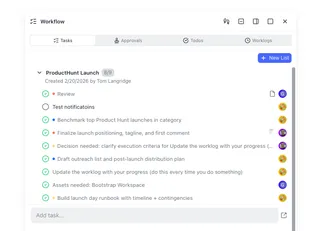
Claude Scheduled Tasks: Automate Recurring Work with Routines
Claude Code's scheduling system gives developers three tiers of automation, from quick in-session polling to cloud-hosted Routines that fire on a schedule, an API call, or a GitHub event. Each tier targets a different level of persistence and access, so you can match the automation approach to how the work actually runs. This guide covers setup for all three options, trigger configuration, notification delivery through Channels, and strategies for persisting output in a shared workspace.

Claude Sonnet 4: Features, Benchmarks, and When to Use It
Claude Sonnet 4 delivers 72.7% accuracy on SWE-bench Verified at $3 per million input tokens, five times cheaper than Opus 4 with less than a 2-point accuracy gap on coding tasks. This guide covers benchmarks, the Sonnet-vs-Opus cost tradeoff, and practical deployment patterns from CI pipelines to Claude Cowork workflows.

Claude Sonnet vs Opus: Which Model Should You Actually Use?
Sonnet 4.6 scores 79.6% on SWE-bench Verified, just 1.2 percentage points behind Opus. But on GPQA Diamond, a graduate-level reasoning benchmark, Opus leads by 17 points. This guide gives developers a practical framework for routing tasks between Claude's model tiers, whether you are building in Claude Cowork, running autonomous agents, or optimizing API costs.

Claude System Prompts: How to Write and Use Them
Prompt structure shifts Claude's response quality by up to 30% in Anthropic's own testing, yet most developers stop at a single-line system parameter. This guide walks through setting up system prompts in the Claude API, configuring individual and organization-level instructions in Claude.ai, and structuring complex prompts with XML tags. You will also find the priority hierarchy that determines what happens when instruction layers conflict.

Claude Teams Plan Guide: Pricing, Cowork, and Administration
Anthropic's Team plan supports 5 to 150 members with SSO, enterprise search across Google Drive, Slack, and Microsoft 365, plus mixed Standard ($20/seat) and Premium ($100/seat) tiers. This guide walks through pricing, admin setup, connector configuration, and seat optimization strategies for teams adopting Claude at work.

Claude Tokenizer: How Token Counting Works for Claude Models
The Claude tokenizer breaks text into tokens the model processes, and Anthropic's newer models use a different tokenizer that produces roughly 30% more tokens than older ones. This gap means developers migrating to Fable 5 or Opus 4.8 need to re-measure prompts and recalculate budgets. The count_tokens API endpoint is free and returns exact input token counts before you send a request, making it the foundation for accurate cost estimation and context window management.

Claude vs Gemini in 2026: Pricing, Coding, and Capabilities Compared
Claude Opus 4.8 scores 88.6% on SWE-bench Verified while Gemini 3.1 Pro sits at 80.6%, but Gemini's API pricing starts 6x lower and it processes video and audio natively. This comparison breaks down the real differences in pricing, coding, multimodal support, and writing quality so you can pick the right model for your workload.

Claude vs Perplexity: Choosing the Right AI Tool for Your Workflow
Claude and Perplexity solve different problems despite both being labeled "AI assistants." Claude is a reasoning engine built for coding, analysis, and long-form work across up to 1 million tokens of context. Perplexity is an AI search engine that queries the live web and returns cited answers in seconds. This guide breaks down where each tool wins, where it falls short, and how to pair them effectively.

Claude Workspace Guide: Projects, Cowork, and Code Environments Compared
Claude now ships three distinct workspace models, each storing context differently: Projects for cloud chat, Cowork for desktop task automation, and Code for developer workflows. Most users only know one of the three, which means they miss features that would save them hours of re-explaining context every session. This guide compares all three side by side and shows how to pair them with persistent file storage for production workflows.

Cline Skills vs. Claude Code Skills: Custom Instructions Compared
While 62% of developers use AI coding tools, token bloat remains a major bottleneck for terminal-native agents. Modular skills using the SKILL.md format offer a progressive loading solution to keep context windows lean. This guide compares Cline and Claude Code skill structures, trigger mechanisms, and team-sharing workflows.

Cline vs Claude Code: Comparing Developer Workflows & Extensions
An analysis of the differences between Cline and Claude Code, comparing IDE extension workflows with terminal-first command line interfaces. While Cline integrates as a VS Code sidebar extension with visual progress indicators, Claude Code is a command-line interface tool designed for rapid development. Explore execution speeds, permission controls, and shared workspaces.

Cline vs Claude Code: The Best Agent for MCP Workspaces
While Anthropic's Claude Code brings native CLI capabilities, Cline’s open-source architecture and 1-click MCP Marketplace give it an edge for complex tool integrations. This guide compares both coding agents across tool extensibility, shared team workflows, and workspace persistence.

Cline vs. Claude Code: Comparing Agent Memory Architectures
Local AI agent memory architectures like Cline's Memory Bank and Claude Code's Auto-Memory are designed for isolated, single-developer environments. This guide compares their technical structure and explains how shared agent workspaces solve context drift for engineering teams.

Cline vs. Cursor vs. Claude Code: Best Coding Agents Compared
An in-depth comparison of Cline, Cursor, and Claude Code coding agents. Choosing the right tool depends on your team's development workflow: Cline operates as an IDE sidebar extension, Cursor runs as a custom IDE fork, and Claude Code works as a fast command-line tool. Explore indexing mechanics, Model Context Protocol setups, and shared workspace configuration options.
Devin AI vs. Claude Code: Autonomous Agent vs. Terminal Assistant
Devin AI and Claude Code represent two distinct approaches to AI-assisted software development, separating fully autonomous background execution from interactive, terminal-native assistance. While Devin operates inside an isolated remote sandbox, Claude Code executes commands locally on the developer's machine with permission checkpoints. Choosing between them depends on the need for asynchronous delegation versus real-time steering.

Everything Claude Code: The Complete Resource Guide for 2026
Claude Code authored roughly 12% of all public GitHub commits by mid-2026, up from 4% just three months earlier. This guide catalogs every feature, surface, extension point, and community resource across the Claude Code ecosystem so you can stop discovering capabilities by accident and start using the full toolkit.

Grok vs Claude: Which AI Is Better in 2026?
Grok's mobile app market share grew 9.5x in 12 months while Claude quietly captured 70% of enterprise AI deals. Both models are strong, but they solve different problems. This comparison breaks down Grok and Claude across eight dimensions, from context windows to API pricing, so you can pick the right tool for your actual workflow.

Hermes Agent vs Claude Code: Architecture, Strengths, and When to Use Each
Nous Research Hermes Agent is a persistent autonomous agent that learns across sessions and connects to 20+ messaging platforms. Claude Code is Anthropic's agentic coding assistant that lives in your terminal, IDE, and browser. They solve fundamentally different problems. This comparison breaks down architecture, memory, deployment, and pricing so you can pick the right tool for your actual workflow.

How Claude Code Memory Works: CLAUDE.md and Auto Memory
Claude Code starts every session with a blank context window. Two memory systems carry knowledge forward: CLAUDE.md files hold instructions you write, and auto memory stores notes Claude writes based on your corrections. Both load automatically when a session begins, so Claude has your project context from the first prompt.

How Teams Use Claude at Work: A Guide to Chat, Code, and Cowork
Anthropic's Claude now spans four distinct product surfaces for work: Chat for brainstorming, Code for development, Cowork for autonomous desktop tasks, and browser extensions for web research. This guide maps each surface to the tasks it handles best, walks through integrations with Slack and Google Workspace, and covers plan selection for teams of any size.

How to Automate Claude Cowork Document Processing
Document processing in Claude Cowork allows autonomous agents to ingest invoices, contracts, and PDFs, outputting structured JSON to a shared workspace. While other platforms treat document processing as a one-off API call, combining Claude Cowork with Fastio gives your agents a persistent workspace to organize, extract, and collaborate on files at scale. This guide shows you exactly how to set up automated document processing workflows.

How to Automate Document Analysis with Claude Cowork
Document analysis in Claude Cowork uses your shared workspace to let agents autonomously extract, summarize, and organize data. This guide covers how to set up an automated pipeline while keeping humans in control. Whether you need to pull indemnification terms from legal contracts or compile quarterly data from financial reports, moving the AI agent directly into your file system means your team and your language models work in the same place.

How to Automate File Indexing for Claude Cowork Workspaces
Automated indexing in Claude Cowork continuously reads and maps workspace files, giving agents the latest context without manual updates. Instead of building custom scripts to sync your data, this built-in feature keeps everything current. Connecting directly to a smart workspace helps you avoid rate limits and missing information. This guide covers how automated indexing works and how to set it up for your AI workflows.

How to Automate Your Workflow with Claude Code Hooks
Claude Code hooks are user-defined shell commands, HTTP endpoints, or LLM prompts that fire automatically at specific lifecycle events. Unlike prompt-based instructions that Claude can interpret loosely, hooks execute deterministically every time. This guide covers all five hook types, 30 lifecycle events, and practical patterns for auto-formatting, file protection, environment management, and security gates.
How to Build a Claude Cowork Multi-Agent Orchestration Loop
Multi-agent orchestration in Claude Cowork involves coordinating several Claude agents to work concurrently on shared files and tasks without conflicts. By dividing complex workflows among specialized agents, teams can solve large software engineering and data processing challenges that a single agent cannot handle alone. This guide covers how to set up multi-agent loops, select the right architectural patterns, and implement the file coordination needed to build stable, autonomous systems.

How to Build a Claude MCP Coworking Setup for Your Team
A Claude MCP coworking setup involves connecting shared tools and data sources to Claude via the Model Context Protocol, improving team collaboration. While local setups are common, configuring a remote server allows human teams and AI agents to share state without duplicating effort.

How to Build a RAG Pipeline with Claude Cowork
AI agents need access to your files to answer questions accurately. A RAG pipeline in Claude Cowork connects Claude to your workspace, letting it read your documents before responding. This guide shows how to set up a retrieval augmented generation system without managing external vector databases. You will learn how to connect Claude to an intelligent workspace and deploy your AI agents.
How to Build AI Agents with the Claude Agent SDK
The Claude Agent SDK is Anthropic's toolkit for building AI agents that can read files, run commands, search the web, and execute multi-step tasks using Claude models. Available in Python and TypeScript, it gives developers the same agent loop and tool execution that powers Claude Code, but as a programmable library. This guide walks through the SDK's core capabilities, shows how to connect external tools via MCP, and explains how to give your agents persistent file storage.
How to Build Claude Agent Coworking Workflows for Enterprise Teams
Claude agent coworking workflows manage how autonomous agents share context, hand off tasks, and collaborate with humans in a shared environment. A claude shared coworking space helps enterprise teams coordinate subagents without losing context or security. This guide covers how to set up multi-agent workspaces, handle permissions, and build a system that scales.

How to Build Claude Cowork Client Portals for AI Automation
A Claude Cowork client portal gives agencies a branded staging area for their autonomous agents. The agents securely deposit finished work directly into the portal for client review. Connecting AI generation to external file sharing automates your entire delivery pipeline. This guide shows how to build agentic client portals to cut admin time and keep clients happy.

How to Build Claude Cowork Persistent Storage
Persistent storage in Claude Cowork lets files, outputs, and states survive between agent sessions and deployments. Stateless agents lose multiple percent of generated context when they close. Adding file-based memory scales better than endless context windows and gives teams a solid foundation for complex AI agent workflows.

How to Build Claude Cowork Semantic Search
Claude Cowork Semantic Search helps agents and humans find files based on meaning instead of exact keyword matches. This guide explains how to move from basic file finders to intelligent semantic search for your Claude agents. You will learn how to use native auto-indexing and the Model Context Protocol to get reliable search without managing a separate vector database.

How to Build Claude Cowork Workflows
Agentic workflows handle repetitive data processing, but setting them up requires structure. Learn how to build Claude Cowork workflows so your AI agents can hand off intermediate files. A shared workspace reduces context-switching for agents and helps development teams scale operations.

How to Build Claude Coworking Workspaces for Creative Agencies
Moving files between Dropbox, Slack, and email slows down creative teams. Designers wait for copy updates, and art directors spend hours hunting for the latest logo file. Claude Cowork lets agencies build centralized hubs where copywriting and design agents deposit drafts for human art directors to review. An agency AI workspace puts humans and Claude agents in the same environment.

How to Check and Update Your Claude Code Version
Claude Code shipped six point releases in ten days during June 2026, each changing how the CLI handles files, settings, and agent workflows. This guide covers version checking, update commands for every installation method, stable vs. latest release channels, and version pinning for teams that need consistency across developers.
How to Choose Between Devin AI and Claude for Code Automation
Devin AI and Claude represent two distinct methodologies for automated coding, separating remote cloud-hosted environments from terminal-native or chat-based collaborative execution. While Devin operates inside an isolated sandbox VM, Claude provides real-time collaborative execution. Choosing between Devin and Claude depends on task complexity, pricing preferences, and the need for background execution versus inline pairing.

How to Configure Claude Code Permissions: Allow, Ask, and Deny Rules
Developers approve 93% of Claude Code permission prompts without careful review, turning a security mechanism into background noise. This guide covers the three rule types, their deny-first evaluation order, settings.json configuration at project, user, and managed levels, and copy-paste recipes that lock Claude Code to exactly what your project needs.

How to Configure Claude Code: Settings, Permissions, and Environment Variables
Claude Code's configuration system uses five scopes that merge together to control permissions, model selection, hooks, and runtime behavior. Understanding how precedence works, where settings files live, and how teams share configuration in Claude Cowork workflows prevents the silent overrides and permission loops that trip up most developers.

How to Configure Claude Coworking RAG Storage
Claude coworking RAG storage connects vector databases and indexing systems to give agents and humans shared context. A reliable retrieval setup stops context window exhaustion, so everyone accesses current project knowledge. Here is how to build auto-indexing pipelines and set up storage architecture for multi-agent teams.

How to Configure Claude Coworking Webhook Notifications
Claude coworking webhook notifications provide real-time alerts to teams and connected systems whenever an agent updates a file or completes a task. By connecting event-driven architecture with Claude agent actions, you can eliminate manual polling and ensure immediate human oversight. This guide covers how to set up webhooks, choose the right trigger events, and maintain secure integrations across your agentic workflows.

How to Configure Role-Based Access in Claude Cowork
Role-Based Access Control (RBAC) in Claude Cowork allows administrators to define exactly which files and folders an AI agent or human can view, edit, or delete. Implementing strict claude cowork role based access is important for preventing agents from reading unauthorized sensitive files. Most guides treat AI agents as superusers with unlimited data visibility. This guide takes a different approach by focusing on the principle of least privilege.
How to Connect Claude to Google Drive: A Complete Guide
Getting your Google Drive files into Claude's context is more annoying than it should be. This guide covers the main approaches, from manual uploads and the official Google Drive connector through to an MCP bridge, so you can choose based on what you actually need Claude to do.

How to Connect Claude to Slack, Microsoft 365, and Google Workspace
Claude connects to Slack, Microsoft 365, Google Workspace, and Chrome through its connector system, giving the AI direct access to conversations, documents, email, and calendars. Each integration has different read and write capabilities that shape what workflows you can build. This guide walks through setup, permissions, and the practical differences between each connection.
How to Create a Claude Cowork Shared Workspace for Teams
A Claude Cowork Shared Workspace lets teams and AI agents manage files together in one place. The standard Claude app offers desktop automation but lacks syncing and multiplayer features. This guide explains how to fix those limits using cloud storage, covering the exact file access patterns needed for team agent deployment.

How to Download and Set Up Claude Cowork
Claude Cowork is Anthropic's desktop AI agent that handles multi-step knowledge work tasks on your local files. This guide covers system requirements for macOS and Windows, the readiness check tool, installation steps, first-task setup, and where to store output for team access.

How to Enable Secure File Sharing in Claude Cowork
Deploying AI agents safely requires strict data governance and access control. This guide covers how to implement secure file sharing in Claude Cowork workspaces, letting teams collaborate with agents without risking sensitive information.
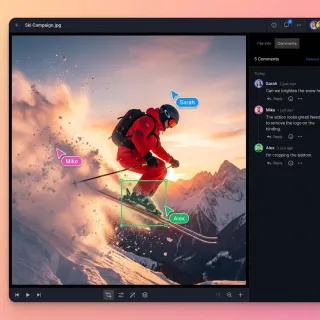
How to Establish Claude Human-Agent Coworking Workflows
Human-agent coworking involves establishing structured workflows where Claude and human team members collaborate on shared files and tasks. As Claude transitions from a conversational assistant into an autonomous team member, organizations need specialized environments to coordinate this work. This guide explains how to integrate Claude into your daily operations using shared workspaces, Model Context Protocol tools, and clear handoff processes.

How to Get and Manage Your Claude API Key
Anthropic's Claude API key authenticates every request to Claude models, and mishandling it is the fast way to rack up unexpected charges or lose access. This guide walks through creating your first key in the Console, storing it in environment variables and secret managers, scoping keys to workspaces for team isolation, and managing the full key lifecycle through the Admin API.

How to Handle Claude Coworking Ownership Transfer
Claude coworking ownership transfer is the secure process of passing control of files, workflows, or project states from an autonomous AI agent to a human team member. As more teams deploy Claude for complex tasks, establishing a clear agent handoff protocol prevents bottlenecks and ensures uninterrupted progress. This guide covers how to set up handoff protocols, manage security, and transition work from agents to human collaborators.

How to Implement Data Governance in Claude Cowork
Data governance in Claude Cowork establishes the rules, audit trails, and access controls needed to deploy AI agents safely in enterprise environments. This guide explains how to secure your workspaces, monitor autonomous agent activity, and build a safe foundation for human-agent collaboration while reducing the risks of unrestricted local file access.

How to Install Claude Code on Mac, Windows, and Linux
Claude Code generated over 400,000 public GitHub commits in a single day by May 2026, making it one of the fastest-adopted developer tools in years. Getting started takes one terminal command on any platform, but picking the wrong installer or missing a WSL gotcha can waste an afternoon. This guide covers every installation method across macOS, Windows, and Linux, with platform-specific troubleshooting for the problems most tutorials skip.

How to Integrate MCP Servers with Claude Cowork
Guide to claude cowork mcp integration: The Model Context Protocol (MCP) gives Claude direct access to your databases, APIs, and file systems. Instead of writing custom connectors for every tool, you can set up a single MCP server. This guide shows you how to configure servers, test your connections, and give your AI team persistent access to external data.

How to Integrate MCP with Claude - Complete Setup Guide
Claude MCP integration connects Anthropic's Claude AI to external tools and data sources through the Model Context Protocol, enabling file access, database queries, and API calls. This guide shows you how to set up MCP with Claude Desktop, Claude API, and Claude Code.

How to Log In to Claude AI and Claude Cowork on Every Platform
Claude.ai drew 823.5 million visits in April 2026, and every session starts at a login screen. Five authentication paths cover web, desktop, mobile, API console, and enterprise SSO. Each has its own setup steps and common failure points worth knowing before you get locked out.
How to Manage Claude Coworking File Permissions
Adding AI agents to your team means you need strict control over who can open your documents. If file permissions fail, your sensitive data could leak. This guide to claude coworking file management shows you how to set up shared folders so Claude can read and edit files alongside human coworkers without security risks. You will learn how to assign specific roles, stop team members from overwriting each other, and track exactly what files the AI opens.

How to Manage Large Files in Claude Cowork
Guide to claude cowork large file handling: Processing massive datasets in Claude gets difficult due to strict file upload limits. Claude Cowork solves this by adding dedicated backend storage with chunked retrieval. This lets AI agents analyze huge amounts of data without hitting constraints.
How to Manage Storage and Files in Anthropic Workbench
Anthropic Workbench has specialized storage for prompts and datasets, but it isn't a normal cloud drive. This guide shows you how to upload test cases, version prompts, and manage your data for Claude development.

How to Migrate from Claude Code to Cline
Learn how to migrate from Claude Code to Cline by porting configuration files, mapping Model Context Protocol settings, and transferring workspace rule files. This guide provides the exact paths and file schemas required to switch your developer workflow smoothly.

How to Orchestrate Claude Code Agent Teams
Orchestrating parallel developer agents requires coordination to prevent file conflicts. This guide explains how to enable Claude Code agent teams, configure split panes in tmux, and connect sessions to shared workspaces.

How to Organize and Manage Tasks with Claude
Claude Code authors roughly 135,000 public GitHub commits per day, and each one runs through an agentic loop that benefits from task structure. This guide connects the three task surfaces most articles cover separately: Cowork projects for organizing context, scheduled tasks for recurring automation, and API task budgets for capping token spend in agentic workflows.

How to Run Claude Code in Docker Containers and Dev Environments
Three out of four startups now run Claude Code as their primary AI coding tool, yet most developers still execute it directly on their host machine with full filesystem access. Running Claude Code inside a Docker container fixes that: you get isolated, reproducible environments where Claude's commands stay contained, auth persists across rebuilds, and network egress locks down to only the domains you allow.

How to Set Up a Claude Cowork Platform for Your Team
A Claude cowork platform gives your team and AI agents a shared space to work on documents and processes together. This guide covers how to set up persistent agent workspaces, configure the Model Context Protocol (MCP) server, and establish a secure, shared storage foundation for your Claude deployment.

How to Set Up Claude Channels for Telegram, Discord, and iMessage
Claude Code channels let you push messages from Telegram, Discord, or iMessage directly into a running coding session. You interact with your local agent from your phone while it reads, writes, and runs commands against your actual files. This guide covers prerequisites, platform-by-platform setup, security configuration, and how to persist the output your agent produces.
How to Set Up Claude Code GitHub Action for Automated PRs and Code Reviews
Fewer than 20% of AI-generated code review comments lead to actual code changes, based on a study of 22,326 comments across 178 GitHub repositories. Claude Code GitHub Action goes beyond comments by implementing fixes, creating pull requests, and bringing collaborative AI coding to your CI/CD pipeline. This guide covers setup, three workflow patterns, enterprise cloud authentication, and the security hardening lessons from a real vulnerability patched in early 2026.

How to Set Up Claude Cowork on Windows: Installation and Configuration
Three GitHub issues filed against Claude Cowork in early 2026 report the same failure: Cowork refuses to start on Windows Home because it needs Hyper-V, which Microsoft ships only with Pro, Enterprise, and Education editions. This guide walks through every Windows-specific requirement, from checking your processor architecture and OS edition to configuring permissions and resolving the most common install failures.

How to Set Up Claude Flow for Multi-Agent Code Orchestration
Claude Flow passed 710,000 lifetime npm downloads by mid-2026, making it the most-installed community orchestrator for Claude Code despite Anthropic shipping its own multi-agent API three months earlier. Developers keep reaching for it because it provides cross-session memory, the SPARC test-driven methodology, and multi-provider routing that the official API does not yet offer.
How to Set Up Cross-Platform Sync for Claude Cowork
Syncing Claude Cowork across platforms keeps your files updated everywhere. Instead of dealing with isolated desktop sessions, you can centralize your workspace in the cloud using the Model Context Protocol (MCP). This guide shows how to connect local files to Claude agents on Windows and macOS, so you always work from the same updated files.
How to Set Up MCP in Claude Desktop
Claude Desktop MCP enables the local Claude app to interact with external tools and data sources via the Model Context Protocol. This guide walks through every setup method, from editing the claude_desktop_config.json file manually to installing one-click Desktop Extensions. It also covers connecting cloud storage like Fastio and fixing the connection issues that trip up most developers.

How to Set Up SSO for Claude: Okta, Google Workspace, Entra ID, and OneLogin
Claude supports SAML-based single sign-on on Team, Enterprise, and Console plans through Okta, Google Workspace, Microsoft Entra ID, and OneLogin. This guide walks through each identity provider setup from domain verification to SCIM provisioning, so your IT team can bring Claude under the same identity governance as every other SaaS tool in the stack.

How to Setup Claude Cowork File Management for Agents
Claude Cowork File Management gives agents the storage infrastructure to read, write, and organize documents. This guide covers how to set up persistent file storage architectures and bypass native upload limits. It also explains how to structure your workspace for secure collaboration.

How to Setup Claude Coworking Workspaces for Research Teams
Research teams often struggle with fragmented literature and disorganized data silos. Claude Coworking acts as a repository where agents and researchers can index and query academic papers together. Learn how to set up an academic agent workspace that turns raw PDFs into an interactive knowledge base.

How to Track Claude Code Usage, Costs, and Token Limits
The average Claude Code deployment costs $13 per developer per active day, but that number swings wildly based on model selection, context size, and how many sessions run in parallel. This guide walks through every tool Anthropic provides to track those costs, from the /usage command in your terminal to team analytics dashboards, OpenTelemetry pipelines, and workspace spend caps. You will also learn practical techniques to cut token consumption without sacrificing productivity.

How to Transfer Ownership of Claude Cowork Files
When Claude or other AI agents generate files, getting those assets securely to human workers can be difficult. Ownership transfer in Claude Cowork is the secure process of handing off generated files and assets from an AI agent to a human worker. Learn the four steps to safely transfer ownership of agent-built workspaces while maintaining permissions and audit trails.

How to Use Claude AI for Marketing: Campaigns, Content, and Automation
Eighty percent of marketing teams feel pressure to adopt AI, but only 6% have embedded it into actual workflows. Claude Cowork closes that gap by running multi-step marketing tasks directly on your desktop, from competitive research with parallel sub-agents to scheduled weekly performance reports. This guide walks through the specific workflows that make Claude practical for campaign coordination, content production, and reporting automation.

How to Use Claude AI for Writing: Workflows, Tips, and Cowork Setup
Document preparation that takes two hours of reading and note-taking can shrink to fifteen minutes when you hand it to Claude Cowork. The difference is that Cowork reads your actual source files, plans multi-step tasks, and writes formatted output directly to your filesystem rather than working one chat message at a time.

How to Use Claude AI Projects to Organize Conversations and Knowledge
Claude Projects carry a 200,000-token knowledge base into every conversation you start inside them, but most users never move beyond basic creation. The real productivity gains come from knowledge base architecture, constraint-first instruction writing, and the Cowork desktop integration that connects Projects to your local file system with persistent memory and scheduled tasks.

How to Use Claude AI: A Practical Getting-Started Guide
Claude AI crossed 30 million monthly active users by mid-2026, yet most newcomers treat it like a search bar. Projects, Artifacts, file uploads, and Claude Cowork turn Claude into a working productivity tool. This guide walks through each feature with the practical details, like rate limits and model selection, that typical tutorials skip.

How to Use Claude Code on the Web
Claude Code authored roughly 4% of all public GitHub commits by February 2026, yet most developer guides treat it as a terminal-only tool. The web interface at claude.ai/code runs sessions on Anthropic cloud infrastructure, persists work across browser closures, and introduces features like auto-fix PRs and session teleportation that the terminal cannot match.

How to Use Claude Code Plan Mode for Safer Autonomous Coding
AI-generated pull requests contain 75% more logic errors than human-written code, and those mistakes compound across multi-file changes. Claude Code's Plan Mode forces the AI to research your codebase and propose a step-by-step plan before touching any files. You review, edit, and approve the plan, then choose the permission level for execution.

How to Use Claude Code Skills in Cline
According to GitHub's Octoverse 2024 report, the number of developers building with generative AI on the platform surged by 178% year-over-year. This rapid expansion highlights how autonomous coding assistants like Cline are shifting from simple autocomplete extensions to agents that can edit, write, and execute code. This guide covers how to use claude code skills in cline to manage agent instructions modularly.

How to Use Claude Cowork File Locks
File locks in Claude Cowork prevent conflicts by ensuring that only one agent or human can modify a specific document at a time. As teams deploy multiple autonomous agents in shared workspaces, managing concurrent editing becomes important to maintain data integrity. This guide explains how to implement file locking mechanisms for Claude agents, preventing overwrite conflicts and speeding up collaborative workflows.

How to Use Claude Cowork Intelligence Mode
Claude Cowork Intelligence Mode lets the agent read and write files directly on your machine. Instead of copying and pasting code snippets, you can give Claude access to a specific folder and let it handle multi-step tasks like drafting reports or updating old code. Here is how to set it up safely.

How to Use Claude Cowork Safely
Claude Cowork is a research preview that brings agentic capabilities to Claude Desktop, letting Claude read, write, and manage local files while executing multi-step tasks on your behalf. Anthropic publishes specific guidance on using Cowork safely, and it's more practical than generic AI safety advice for teams planning a rollout. This guide covers the key risks, what Anthropic has built in, and the seven practical steps that help you reduce exposure.

How to Use Claude Deep Research for Cited, Multi-Source Reports
Anthropic ships two distinct research tools under the Claude brand, and most guides only cover one. Claude.ai Research runs agentic multi-search sessions from the chat interface, pulling from public web and connected Google Workspace data. Claude Code's /deep-research command takes a different approach: it spawns parallel subagents that independently search, cross-check claims against each other, and synthesize a cited report with unverified claims filtered out.

How to Use Claude's Chrome Extension and Browser Agent
Claude's Chrome extension turns your browser into an AI-controlled workspace where Claude can read pages, click buttons, fill forms, and run scheduled tasks across tabs. This guide walks through installation, model selection by plan tier, automation features like shortcuts and workflow recording, Claude Code integration for developers, and the permissions model you should understand before handing browser control to an AI agent.

How to Use the Claude Code API and Agent SDK
The Claude Code Agent SDK gives developers the same tools, agent loop, and context management that power Claude Code, available as a Python or TypeScript library. This guide walks through installation, authentication across five providers, built-in tools, and advanced patterns like hooks, subagents, and MCP integration, so you can ship production agents without reimplementing tool execution from scratch.
How to Work Around Claude's File Upload Limits
Claude.ai caps file uploads at 30MB per file and 20 files per conversation. This guide breaks down the exact limits for each file type, explains why you hit "context overflow" errors even with small files, and covers three practical workarounds: Claude Projects, file splitting, and external storage with MCP.

Is Claude AI Free? What You Get Without Paying in 2026
Claude.ai drew nearly a billion visits in May 2026, and most users start on the free tier. Anthropic's $0 plan includes Sonnet 4.6, web search, file uploads, Artifacts, and memory across conversations. The main constraint is a rolling five-hour rate limit that allows roughly 15 to 40 messages per window. Pro features like Claude Code and Cowork stay behind the paywall.

Is Claude Code Free? Free Tier, Credits, and Budget Options Explained
Claude Code requires a paid Anthropic account or API credits, but "paid" does not have to mean $20 per month. Free API credits for new Console accounts, the Claude for Open Source program, and third-party proxy routing through free model providers all offer $0 entry points. This guide ranks every access path by cost and walks through the tradeoffs of each.

Is Claude Code Open Source? Source Code, Licensing, and Alternatives
Claude Code is proprietary software governed by Anthropic's Commercial Terms of Service, not an open source project. A March 2026 packaging error exposed its full 512,000-line TypeScript codebase through npm source maps, spawning community forks and clean-room rewrites. This guide covers the actual license, what the leak revealed, and five open source coding agents that offer similar capabilities without proprietary restrictions.

Manus AI vs Claude: Agent Autonomy Compared
US search demand for "manus ai vs claude" runs about 170 monthly queries with CPC around twenty dollars and sixty-one cents, a commercial signal that buyers are choosing tools, not skimming. Claude is typically chosen for deep reasoning and writing assistance; Manus is chosen when the goal is an autonomous agent that produces finished multi-step work products. This guide maps that split by workflow and covers where agent output should live after the run ends.

Setting Up Anthropic MCP Servers for Shared Agent Workspaces
Standard Anthropic Model Context Protocol setups depend on local one-to-one connections that isolate agents. Transitioning to Server-Sent Events allows teams to run shared MCP servers for multiple agents. This guide outlines how to deploy reference servers over SSE and coordinate agent access within shared workspaces.