Top OpenClaw Tools for AI Social Listening and Brand Reputation Monitoring
OpenClaw's ClawHub marketplace now lists social listening skills that index over 1.5 billion posts across Twitter, Reddit, and Instagram. This guide compares seven open-source tools for brand reputation monitoring, ranked by platform coverage, sentiment accuracy, alert latency, and export capabilities.


How Open-Source Skills Compete with Enterprise Platforms
The Social Listening & Brand Reputation Monitor skill on ClawHub indexes over 1.5 billion posts across Twitter, Reddit, and Instagram, according to its LobeHub marketplace listing from May 2026. That scale of social data previously required an enterprise contract with platforms like Brandwatch or Sprinklr.
These OpenClaw skills are open-source, free to install, and designed to run inside an AI agent workflow. Instead of logging into a dashboard to review mentions, your agent scrapes, scores, and surfaces the data that matters while you focus on response strategy.
We evaluated each skill against four criteria that separate useful monitoring from noise:
- Platform coverage: Does it search Twitter, Reddit, Instagram, TikTok, or niche forums? More platforms means fewer blind spots.
- Sentiment accuracy: Does it go beyond positive/negative/neutral to weight engagement, detect themes, or surface narrative patterns?
- Alert latency: Can it flag a PR crisis in minutes rather than hours? Hourly scans and automation hooks-based triggers count differently here.
- Export capabilities: Can you pull data into Python, pandas, or a CSV for your own analysis? A skill that locks data inside the agent is less useful to analysts.
Related guides
- Best n8n Tools for AI Agents: Top 10 Nodes for 2026n8n changed AI automation with its visual workflow builder. We rank the best nodes and integrations for building...
- Best Tools for CrewAI Agents: Top Picks for 2026CrewAI agents need good tools to be useful. The framework handles coordination, but external integrations let agents...
- Best OpenClaw Tools for AI Slogan and Tagline Brand Copy in 202676% of marketers now use AI for ad copy, yet most standalone slogan generators forget your brand voice between...
- Top OpenClaw Tools for AI Social Media Caption and Hashtag GenerationClawHub lists over 16,000 OpenClaw skills, but fewer than a dozen focus specifically on social media caption and...
- Best OpenClaw Tools for AI Anomaly Detection and Data MonitoringMost anomaly detection platforms assume you have a dedicated ML team and managed infrastructure. Five skills on ClawHub...
- Best OpenClaw Tools for AI Brand Identity and Visual Asset Kit GenerationOpenClaw's skill ecosystem includes specialized tools that handle logo systems, color palettes, social media assets,...
More on this subject: OpenClaw Tools (101 guides)
Quick Comparison: Top OpenClaw Social Listening Skills
Each skill handles a different part of the listening pipeline. Some specialize in data collection, others in analysis, and a few focus on the response layer. You can install several at once to build a complete workflow.
Best OpenClaw Skills for Social Monitoring and Sentiment Analysis
These three skills cover the core social listening loop: find mentions, score sentiment, and track brand health over time. A typical setup starts with installing one skill for broad mention detection, then layering a second skill for deeper sentiment analysis on the posts that matter most.
Before committing to a single skill, run a test query against your brand name on the platforms you care about. Check whether the skill returns results within your expected timeframe, whether sentiment labels match your manual reading of the posts, and whether the export format works with your existing analysis tools. Each skill below handles these steps differently, so the right choice depends on whether you prioritize coverage breadth, export flexibility, or real-time speed.
1. Social Listening & Brand Reputation Monitor
The flagship social listening skill on ClawHub, version 1.0.2 (released April 2026), is the closest thing to a full-stack monitoring platform in the OpenClaw ecosystem. It indexes over 1.5 billion posts across Twitter, Reddit, and Instagram, and uses engagement-weighted sentiment scoring on a 0-100 scale.
Key Strengths:
- Covers the full pipeline from mention detection to sentiment classification to trend reporting
- Engagement-weighted scoring means a viral complaint outweighs a hundred quiet posts
- Supports competitor comparison across all indexed platforms
Key Limitations:
- Limited to three platforms (no TikTok, LinkedIn, or forum coverage)
- Depends on Apify for data scraping, which adds a potential point of failure
Best For: Teams that want one skill handling the complete monitoring workflow without stitching together separate tools.
Source: LobeHub Skills Marketplace
2. Social Sentiment
Where the full monitoring skill tries to do everything, Social Sentiment focuses on bulk analysis. It can process 1,000 to 70,000 posts in a single run and export results as CSV files ready for Python and pandas. The skill supports boolean query syntax (AND, OR) with a default 30-day lookback window.
Key Strengths:
- Analyzes up to 70K+ posts per run with structured CSV output
- Python/pandas-friendly exports for custom analysis pipelines
- Surfaces themes and flags viral complaints automatically
Key Limitations:
- No real-time alerting. It runs batch analysis, not continuous monitoring
- Same three-platform limit as the monitoring skill (Twitter, Reddit, Instagram)
Best For: Data analysts who need raw sentiment data they can process in their own tools.
Source: OpenSkillIndex
3. Xpoz Social Search
Xpoz adds TikTok to the mix, covering four platforms instead of three. Its real-time search returns posts with engagement metrics and author details, and it requires no API keys to get started. XPOZ offers 5,000 free credits for new accounts.
The platform also provides complementary tools including Social Intelligence for deep research and Brand Snapshot for comprehensive brand profiles with influencer identification.
Key Strengths:
- Four-platform coverage including TikTok, which most OpenClaw skills skip
- Real-time results with engagement metrics and full-text search across 1.5B+ posts
- No API key setup required to start searching
Key Limitations:
- Credit-based pricing means high-volume monitoring gets expensive over time
- Less depth in sentiment classification compared to the dedicated Social Sentiment skill
Best For: Teams tracking brand presence on TikTok alongside traditional platforms.
Source: XPOZ Social Sentiment Tool
How to Detect PR Crises and Automate Responses
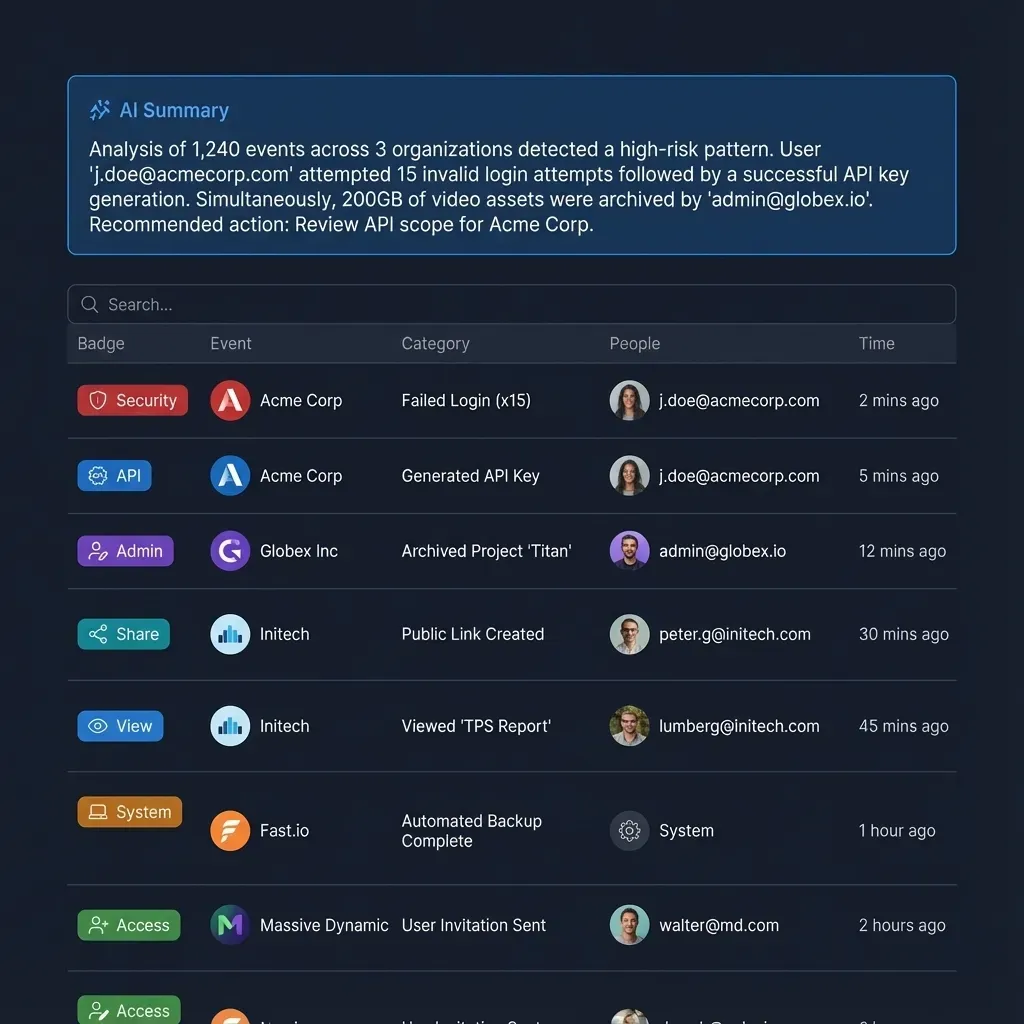
Detecting a PR crisis 30 minutes earlier can mean the difference between a contained incident and a viral pile-on. These two tools focus on the alert and response side of social listening.
Consider a product recall scenario: a single post on Xiaohongshu gains 500 interactions in two hours, triggering crisis keywords. Without automated alerting, your team discovers the thread the next morning when it already has 10,000 shares. With hourly threshold alerts piped through Feishu or a similar automation hooks, the agent flags the spike within 60 minutes, giving your communications team time to draft a response before the story spreads to mainstream media.
The constraint to watch is false-positive fatigue. If your thresholds are too low, every product complaint triggers an alert. Start with a high interaction threshold (say, 200+ engagements per hour) and tighten it over time as you learn what normal complaint volume looks like for your brand.
4. Brand Monitor
Brand Monitor takes a different approach from the English-language skills above. Built for Chinese social platforms, it watches Xiaohongshu (RED), Weibo, Autohome, Dongchedi, Yiche, Zhihu, and Baidu Tieba. It runs daily scans and hourly alert checks, sending structured reports through Feishu webhooks when posts exceed interaction thresholds or contain crisis keywords like "recall," "fire," or "safety."
Key Strengths:
- Covers seven Chinese social and automotive platforms that no other OpenClaw skill monitors
- Hourly threshold-based crisis alerts via Feishu automation hooks
- Extracts emerging discussion themes and tracks sentiment shifts over time
Key Limitations:
- Requires a SERPAPI_KEY and Feishu automation hooks configuration
- Focused entirely on Chinese-language platforms, so you still need a second skill for English coverage
Best For: Brands with Chinese market exposure that need automated reputation tracking.
Source: Playbooks
5. OpenClaw + Mentionkit Integration
Mentionkit is a standalone social listening platform that tracks Reddit, X, and LinkedIn. The OpenClaw integration, documented on DEV Community, connects Mentionkit's mention API to OpenClaw's browser automation. The agent pulls high-relevance mentions (scored 3-5 on Mentionkit's relevance scale), generates draft replies, navigates to the original thread in a signed-in browser session, and posts the response after human approval.
This is the one of the few tools on the list that closes the loop from detection to response in one automated workflow.
Key Strengths:
- End-to-end workflow from mention detection to reply posting
- Relevance scoring filters out noise before the agent takes action
- Human-in-the-loop approval prevents embarrassing auto-replies
Key Limitations:
- Requires both a Mentionkit account and OpenClaw browser profile setup
- Currently limited to Reddit, X, and LinkedIn
Best For: Community managers who want automated reply drafting with a manual approval step.
Source: DEV Community Integration Guide


Centralize your social listening data in one shared workspace
Fastio gives your OpenClaw agents generous storage for reports, CSV exports, and sentiment dashboards. Connect via MCP and let agents write directly to workspaces your team already uses.
How to Store and Share Social Listening Reports
The final two tools address the edges of the social listening pipeline: raw data access for developers and persistent storage for the reports your agents generate.
A common pain point with agent-driven monitoring is that reports disappear between sessions. Your agent runs a sentiment analysis, generates a CSV, and writes a summary, but the next time you start a conversation, those files are gone. The storage layer matters as much as the analysis layer. Pairing a search tool with a persistent workspace means your weekly brand health reports accumulate over time, giving you trend data that a single snapshot cannot provide.
6. Twitter API Alternative
Twitter's official API pricing pushed many developers toward alternatives. This ClawHub skill searches over 1 billion tweets using natural language or boolean filters, exports up to 64,000 rows as CSV, and handles profile lookup and conversation tracking. No OAuth setup required.
Key Strengths:
- Searches 1B+ tweets without Twitter API credentials or OAuth configuration
- Boolean query support and one-click CSV exports (64K row limit)
- Profile lookup, user discovery, and conversation threading built in
Key Limitations:
- Twitter/X only. No cross-platform coverage
- Export capped at 64K rows per query, which may not be enough for large-scale historical analysis
Best For: Developers building Twitter-specific monitoring tools who want to skip OAuth complexity.
7. Fastio MCP Server
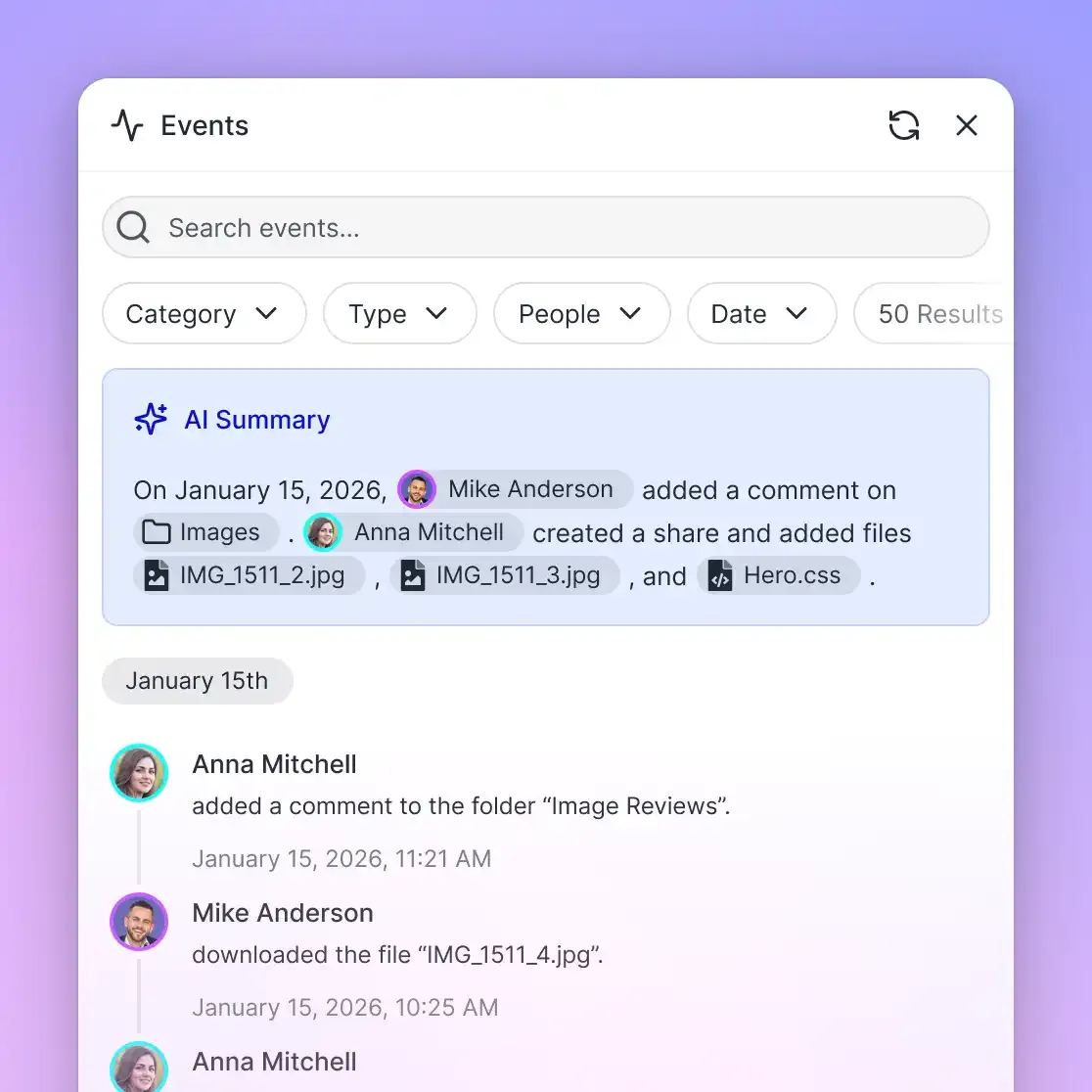
Social listening generates reports, CSVs, and trend analyses that need to live somewhere accessible to both agents and humans. Fastio provides persistent workspaces where OpenClaw agents can write outputs directly via the MCP server. Every file upload gets an audit trail, and once Intelligence is enabled, documents are auto-indexed for semantic search and AI chat.
Fastio offers a 14-day Business Trial, card required; see /pricing/. Agents connect via Streamable HTTP at /mcp, and a realtime activity feed lets you track changes when a new report lands.
Key Strengths:
- Agents write reports directly to shared workspaces via MCP, so outputs persist across sessions
- Audit trails track every file change across the team
- Once Intelligence is enabled, reports are indexed for semantic search and AI-powered queries
Key Limitations:
- Not a social listening tool itself. It is the storage and collaboration layer for your monitoring stack
- Advanced features like custom branding and larger storage require upgrading to higher plans
Best For: Teams that need a central place to store, search, and share social listening outputs across agents and humans.
Get Started: Fastio for OpenClaw
Which Tool Should You Choose?
Your choice depends on where your current workflow breaks down.
If you need a single skill that handles the full monitoring pipeline, start with the Social Listening & Brand Reputation Monitor. It covers mention detection, sentiment scoring, and trend reporting in one install.
If your team runs analysis in Python or pandas, Social Sentiment gives you the cleanest export path with support for 70K+ posts per batch.
If TikTok matters for your brand, Xpoz Social Search is the only skill here with four-platform coverage.
If you operate in the Chinese market, Brand Monitor covers platforms that no other skill on this list touches.
If you want to go beyond monitoring and actually respond to mentions, the Mentionkit integration automates reply drafting with human approval built in.
For most teams, the practical setup looks like this: install one monitoring skill for data collection, add Fastio as the storage layer so reports are persistent and searchable, and connect the two through your agent's task flow. That way your social listening data survives across sessions and stays accessible to anyone on the team, not just the agent that collected it.
Sources
References used to verify factual claims in this guide.
-
Social Listening & Brand Reputation Monitor skill indexes over 1.5 billion posts across Twitter, Reddit, and Instagram
-
Social Sentiment skill analyzes up to 70,000 posts with bulk CSV export and Python/pandas support
-
Mentionkit integration automates social listening with browser-based reply workflows and relevance scoring
-
XPOZ offers 5,000 free credits for social search across Twitter, Reddit, Instagram, and TikTok with no API key required
-
Brand Monitor skill runs hourly alert checks via Feishu webhooks with crisis keyword detection
Frequently Asked Questions
Can OpenClaw monitor brand mentions on social media?
Several ClawHub skills track brand mentions across Twitter, Reddit, Instagram, and TikTok. The Social Listening & Brand Reputation Monitor skill indexes over 1.5 billion posts and supports real-time mention detection with sentiment classification on a 0-100 engagement-weighted scale.
What is the best OpenClaw skill for sentiment analysis?
The Social Sentiment skill is purpose-built for bulk sentiment analysis. It processes up to 70,000 posts per run, classifies sentiment as positive, negative, or neutral, and exports results as CSV files for analysis in Python or pandas. For real-time sentiment tracking with TikTok coverage, Xpoz Social Search is a strong alternative.
How does OpenClaw track brand reputation?
OpenClaw skills track reputation through engagement-weighted sentiment scoring, viral complaint detection, and competitor benchmarking. The Brand Reputation Monitor assigns a 0-100 score based on both mention volume and engagement levels, so a few high-engagement negative posts weigh more than hundreds of neutral ones.
Can OpenClaw detect PR crises automatically?
The Brand Monitor skill runs hourly alert checks and flags posts that exceed interaction thresholds or contain crisis keywords like recall, fire, or safety. The Mentionkit integration adds automated response capabilities, drafting replies for human approval when high-relevance negative mentions appear on Reddit, X, or LinkedIn.
How do I export social listening data from OpenClaw?
The Social Sentiment skill exports up to 70,000 posts as CSV files compatible with Python and pandas. The Twitter API Alternative skill supports CSV exports of up to 64,000 rows per query. Both output structured data with sentiment labels, engagement metrics, and timestamps. For persistent storage, teams use Fastio workspaces to centralize exports across agents.
Related Resources

Centralize your social listening data in one shared workspace
Fastio gives your OpenClaw agents generous storage for reports, CSV exports, and sentiment dashboards. Connect via MCP and let agents write directly to workspaces your team already uses.